"Nature does not hurry, Yet everything is accomplished"
Chinese Philosophy
Traditional Chinese Medicine (TCM)
We provide holistic treatments rooted in Traditional Chinese
Medicine, an alternative medical system practiced for over 5,000
years. Our offerings are tailored to support the body’s natural
healing abilities — particularly in facial and body sculpting
through acupuncture.
Cosmetic Acupuncture: Sculpt, Lift & Renew
Every day, we age at a rate of approximately 0.02%. Hormonal
shifts and stress accelerate this. Women, due to lower muscle
mass and higher fat composition, often see earlier signs of
aging.
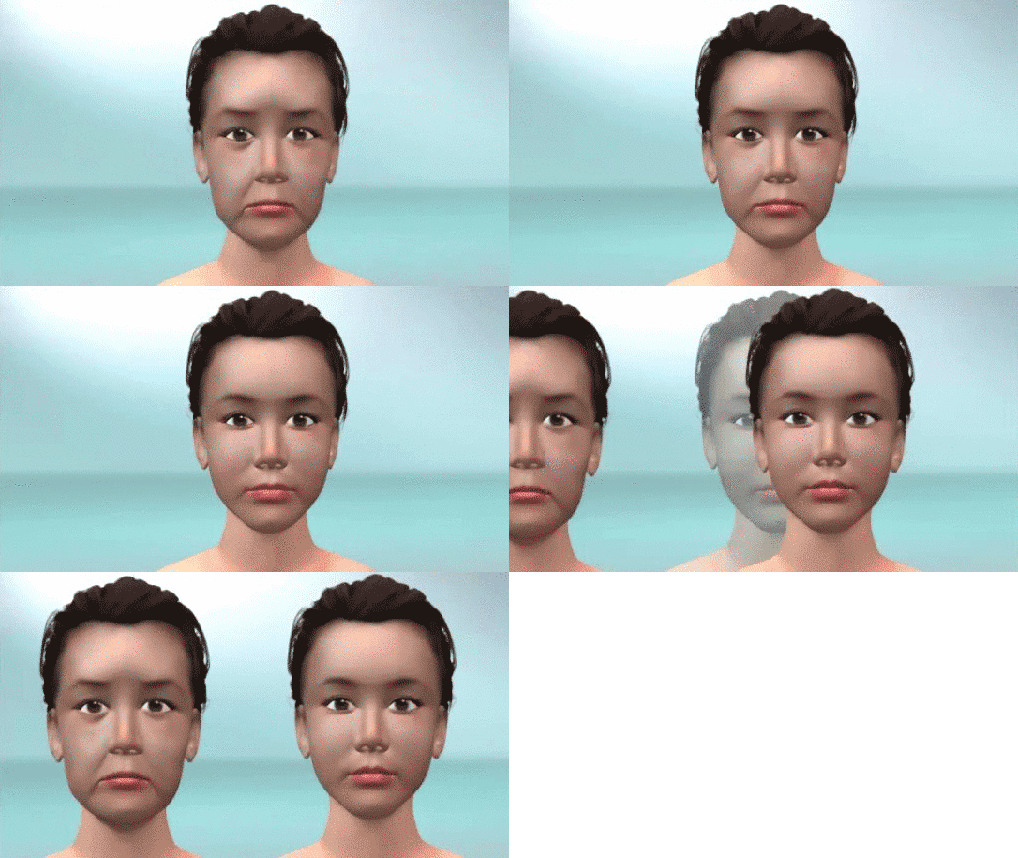
Facial acupuncture — a non-invasive technique dating back to the
Han dynasty — activates meridians, boosts circulation, and firms
the skin. Invented by royal acupuncturist Yi Shuo (义妁), the technique
is now available to the public. Our treatments are safe, needle-only,
and typically produce visible results after 3–5 sessions.
Real Results
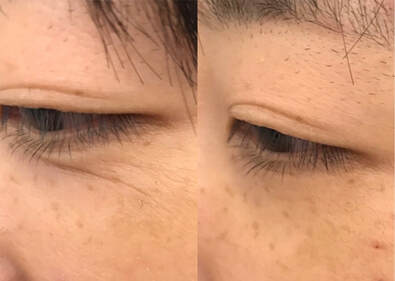
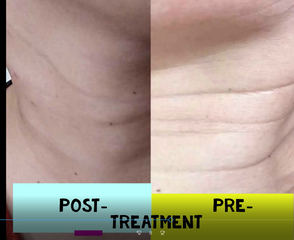
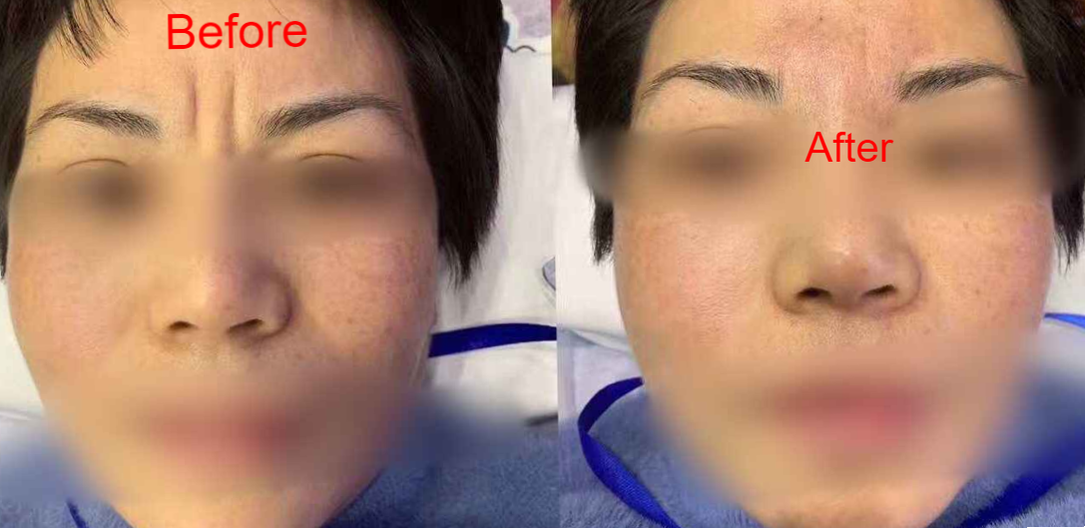
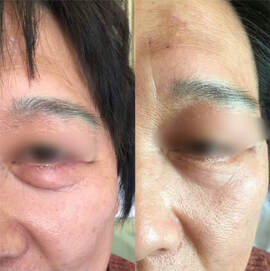
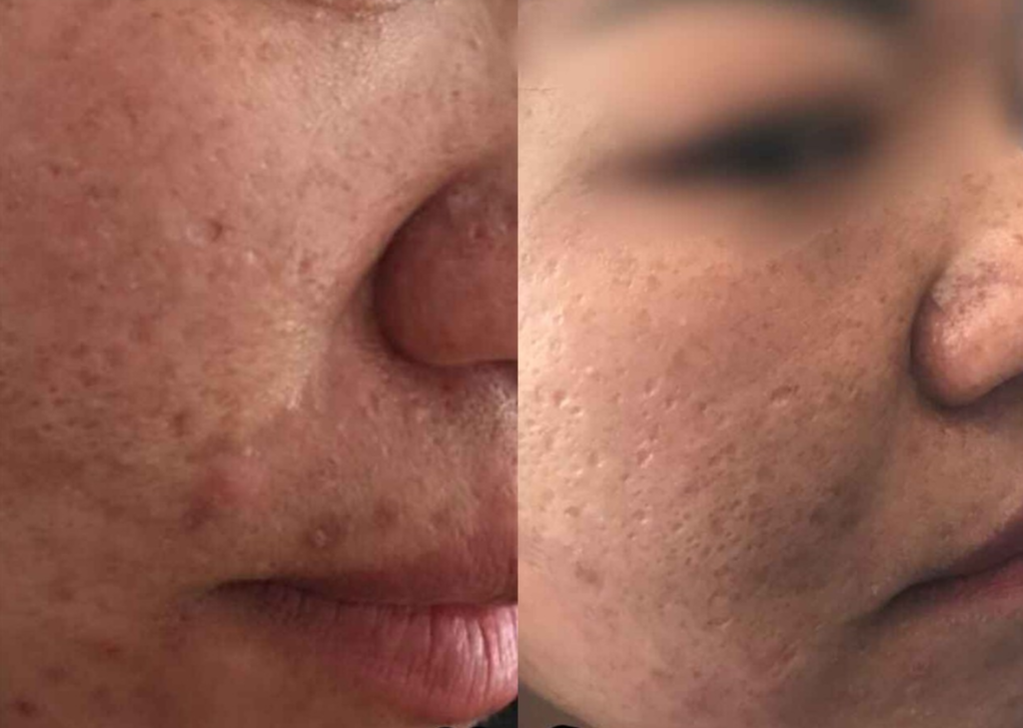
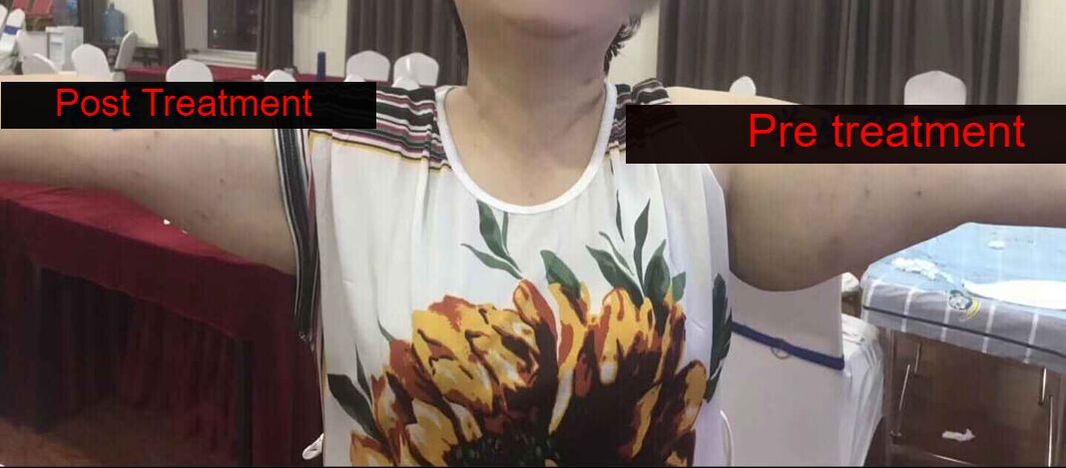
Below are some actual before-and-after results of our patients after
undergoing facial acupuncture treatments:
Eye wrinkles (before & after treatment)
Neck wrinkles (before & after treatment)
Forehead wrinkles reduced after 5 sessions
Under-eye puffiness minimized
Before: Visible folds and uneven tone
After: Lifted, smooth, brighter skin
Less puffiness
Note: Results may vary. For best outcomes, a personalized treatment
plan is recommended.
Acupuncture
Acupuncture is an important treatment form of Traditional
Chinese Medicine. The treatment involves inserting disposable
needles into the acupuncture points along specific meridians so
that body metabolism is promoted and enhanced.
Our practitioner Huilan Zhang is extensively trained and registered
with the College of Traditional Chinese Medicine Practitioners and
Acupuncturists Ontario (CTCMPAO). She is experienced in using acupuncture
to treat the following issues:
Shoulder/Neck/Back pain (chronic pain conditions)
Headaches
Infertility
Irregular menstruation
Facial wrinkles
Acne
As part of holistic psychotherapy, Zhang has also used
acupuncture to treat the following:
Depression
Anxiety
PTSD
Substance abuse/smoking cessation
Eating disorders
Stress
Moxibustion
Moxibustion is usually used as an adjunct to acupuncture. It is
the procedure of burning moxa about an inch or so above the skin
to combat coldness or dampness. Moxa is made from the dried
leaves of Artemisia argyi. Traditionally, the Chinese say that
the older the moxa is, the better its therapeutic properties
are.
Historically, moxa was burned durectly on the skin which would
cause scarring. This is why is the Chinese term for moxibustion,
艾灸, means 'to scar with burning mugwort." Of course,
moxibustion no longer involves scarring. Nowadays, a specially
engineered cone of moxa can be placed on top of specific
acupuncture needles to provide localized heat over acupuncture
points. Alternatively, the practitioner can burn a stick of moxa
and hover it over a general area or specific needles.
Cupping
Although cupping has recently become trendy owing to celebrities
and athletes receiving these treatments, the practice of cupping
has been used since ancient times in Chinese, Egyptian and
Middle Eastern cultures. In fact, one of the oldest medical
textbooks in the world, the Ebers Papyrus, describes how the
ancient Egyptians used cupping therapy in 1,550 B.C.
Cupping is usually used for:
Muscle soreness, stiffness or pain
Reducing inflammation
Increasing blood flow
Relaxation
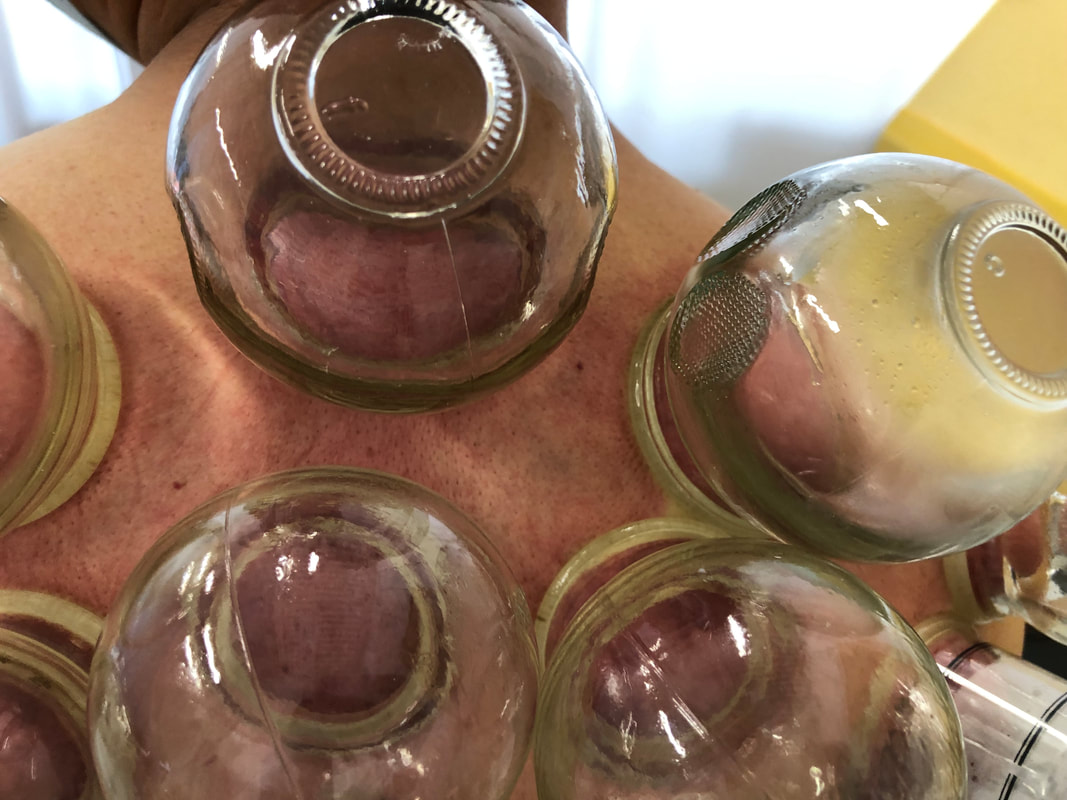
Cupping therapy involves having special cups put on the skin for
a few minutes to create suction on the skin through which toxins
can be released. The cups used at our clinic are made of glass,
for traditional cupping, or plastic, for pneumatic cupping.
Cupping Therapy
There are two main techniques for cupping: fire cupping
(traditional) and pneumatic cupping. For traditional
cupping, the practitioner ignites a flammable substance such
as alcohol, herbs, or paper in a cup. The fire burns the air
inside the cup to create a vacuum. Then, as the flame is
removed, the cup is quickly place upside-down upon the skin.
The vacuum draws the skin up into the cup and the cup is
usually left for around three to ten minutes. As the blood
vessels in the skin dilate during suction, the skin will
redden and usually bruise to create the familiar circular
patterns like the ones seen on Michael Phelps' shoulder
during the 2016 Olympics. For pneumatic cupping, a rubber
pump is used instead of fire to create the vacuum inside the
cup. Additionally, there are two main types of cupping in
Chinese medicine: "Dry" and "wet." Dry cupping is the
"regular" procedure wherein a cup is put on the skin, left
for some time and then removed. For wet cupping, after
creating mild suction at a spot, the cup is removed and a
small lancet is used to make tiny cuts on the skin. A cup is
then replaced, on top of the tiny cuts, to draw out a small
quantity of blood.
The amount of cups used depends on the patient and their
symptoms. Your skin should look normal again within 10 days
Cosmetic Uses
Methods in Chinese medicine have been used by women for
maintaining healthy, youthful skin even in ancient times. Facial
acupuncture and Chinese herbal supplements can be used to this
end. Another technique is acu-channeling, in which tools called
rods, boards, and/or rollers - which have become quite trendy in
the West - are used to massage specific acupuncture points
and/or meridians. The tools are traditionally made from jade or
buffalo horn but resin, magnetic stainless steel, and
semi-precious crystals can also be used. Even a single session
can produce moderate lifting effects. However, to consolidate
the effect, it is recommended to follow a treatment plan
customized to you by a practitioner at the Neuro Wellness.
Facial Rejuvenation Acupuncture
Facial Rejuvenation acupuncture is also called acupuncture
facelift or cosmetic acupuncture. It is a safe and
non-surgical procedure for reducing signs of aging. Thin
acupuncture needles are used to promote body rejuvenation
and revitalization so that the treated individual can look
and feel younger. The treatment itself is two-fold: 1) to
directly address the facial aging symptoms and 2) to treat
the root problems that causes facial symptoms such as
hormonal balance, digestive problems and/or emotional
stress. Both local and root treatments are performed in each
session to provide the best and lasting benefits.
Overall, if committed to the treatment, facial rejuvenation
acupuncture may erase 5 to 15 years from the face after one
course of treatment (10-15 sessions). It is recommended that the
individual receive the first seven twice a week, and have the
last seven sessions once a week to get maximum result. This
means that one full course of sessions takes roughly 10 weeks to
complete. Some results can be seen as early as the 2nd or the
3rd session but the effects become most noticeable and lasting
around the 7th or 8th session. In some exceptionally difficult
cases, the course of treatment may need to be repeated again.
Note that, just as with in surgical facelifts, the actual
outcome and duration of the effects is difficult to predict.
Each person responds differently depending on his or her age,
condition and lifestyle.
After a course of treatment, fine lines my be eliminated and
wrinkles diminished. Bags under the eyes can be reduced, jowls
firmed, puffiness eliminated, droopy eyelids lifted and double
chins minimized. Other likely results include: even skin tone,
increased collagen production, muscle tome, and dermal
contraction; tightening of the pores; brightening of the eyes;
reduction of stress and acne breakouts. Combination of facial
rejuvenation acupuncture and acupuncture channeling will somehow
boost the effects and create long-lasting effect.
Like many other treatment modalities, there may be
contraindications. Please consult with the acupuncturist about
this procedure before deciding to go through with treatment.
Generally speaking, facial rejuvenation acupuncture is not
suitable for those with pituitary disorders, heart disorders,
severe diabetes mellitus, severe high blood pressure, bleeding
problems, or migraines. Additionally, treatments should not be
done during pregnancy, during a bout of cold or flu, during an
allergic attack or during an acute herpes outbreak.
Pain in dentistry (including dental pain and temporomandibular dysfunction)
Periarthritis of shoulder
Postoperative pain
Renal colic
Rheumatoid arthritis
Sciatica
Sprains
Stroke
Tennis elbow
How does acupuncture work?
Acupuncture improves the body’s functions and promotes the natural self-healing process by stimulating specific anatomic sites called acupuncture points or "acupoints". The most common method is the insertion of thin, sterile, disposable needles into the skin. Pressure, heat, or electrical stimulation may further enhance the effects. Other techniques include manual massage, moxibustion (heat therapy), cupping, and topical herbal mixtures.
Traditional Chinese Medicine is based on the philosophy of yin and yang. When in balance, the body is healthy. Energy, or "qi", flows along specific pathways called meridians. Blockages in the flow of qi can cause imbalance and illness. Acupuncture helps release blocked qi and stimulates the body’s healing response through various systems.
Modern research has shown acupuncture affects the nervous, endocrine, immune, cardiovascular, and digestive systems. It can help relieve pain, improve sleep and digestion, and enhance overall well-being.
What is the history of acupuncture?
Sharpened stones and bones dating back to 6000 BCE may have been early acupuncture tools, though likely used for bloodletting or lancing. The first true acupuncture needles were made of stone and pottery, evolving later into metal forms known as the "nine needles": arrowhead, round, blunt, three-edged, sword-like, sharp round, filiform (the modern standard), long, and large needles.
Early needles were bronze, gold, or silver, with a notable set found in a 2nd-century BCE tomb. Today, stainless steel filiform needles are the standard.
The earliest written text describing acupuncture as a system of diagnosis and treatment is The Yellow Emperor’s Classic of Internal Medicine (~300 BCE), rooted in Taoist philosophy. It introduced meridians and qi, and many principles from this text still guide practice today.
In recent decades, systematic reviews have supported acupuncture’s value in treating infertility, nausea, dental pain, back pain, and headaches.